Integrating Procore with Data Center Development for Better ROI
- Sirous Thampi

- Apr 16
- 5 min read
Updated: Apr 17
One of the more consistent problems I see in data center development is that critical project data lives in too many places at once. Schedule updates sit in one system, cost information lives in another, procurement status is tracked offline, and leadership is left trying to make decisions from reports that were already outdated when they were sent. That kind of fragmentation creates avoidable risk for developers, especially when capital is moving quickly and every delay carries a real financial consequence.
This is the reality of data center development today. The scale is massive and the timelines are aggressive. When programs move at this speed, the traditional ways of managing projects through disconnected emails and localized spreadsheets do not just cause delays. They erode the return on investment before the first server rack is even installed. I have watched this pattern repeat itself across complex capital programs. The gap between what is happening across project teams and the decisions being made by leadership is where the profit disappears.
Integrating a robust Project Management Information System like Procore into data center development is not about having a fancy piece of software. It is about creating a single, verifiable stream of data that connects project reporting, cost controls, procurement visibility, and executive oversight. In my experience, the programs that deliver the best ROI are the ones where the technology is treated as the foundation of execution, rather than an administrative afterthought.
The Scale of the Challenge
Data center construction is unlike almost any other type of infrastructure. It is a high speed collision of heavy civil engineering and extremely sensitive technology. You are dealing with massive power requirements that often require navigating the complex electric power grid landscape just to get the site energized. You have long lead times for equipment like cooling units and backup generators that can span eighteen months or more.
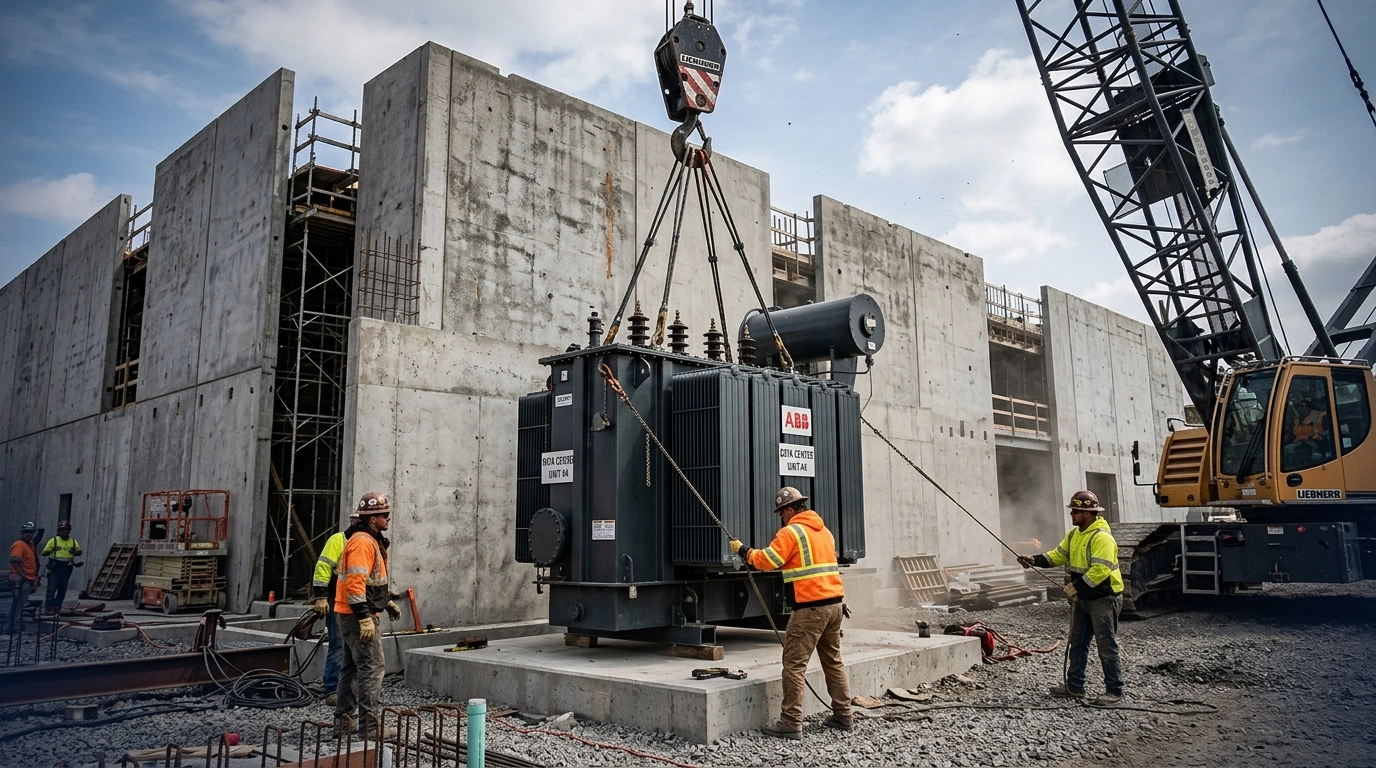
When a developer is managing a portfolio of these projects, the complexity multiplies. If you do not have a centralized platform, you are essentially flying blind. I have seen organizations try to scale by simply hiring more people to manage the same broken processes. That approach only leads to more meetings and more conflicting spreadsheets. The real shift happens when you move from a project level view to a business level view. You need a system that allows leadership and program teams to see the status of every transformer and every permit across the portfolio in real time.
Field Data as a Financial Asset
Most people view daily logs and field reports as a compliance requirement. I view them as a financial asset. In data center development, project data is one of the earliest indicators of whether ROI is holding or starting to slip. If installation progress is trailing plan by two percent every week, that is a signal that your commissioning date is at risk. If you are using Procore correctly, that information is captured and surfaced quickly enough for program teams and leadership to act on it.
I often tell clients that the quality of your ROI is directly proportional to the speed at which information travels from project teams into the systems used for management and oversight. When a coordination issue is identified, that information needs to move immediately into a structured workflow. If an RFI sits in an inbox for three days, the schedule is already starting to move in the wrong direction. By integrating Procore, you eliminate much of the friction in that process. The RFI is linked to the drawings, the cost impact is tracked, and the schedule implications are easier to see. This level of transparency is how you stay ahead of the risks that are rife in the construction industry.
Managing the Supply Chain Nightmare
One of the biggest threats to data center ROI right now is the supply chain. I have sat in program reviews where the entire project was held hostage by a single missing specialized chip in a piece of switchgear. Procore allows you to manage these long lead items with a level of detail that a spreadsheet cannot match. You can track the submittal process, the fabrication status, and the shipping logistics all in one place.
More importantly, you can link these items to your budget and your schedule. If a delivery date slips, you immediately see the impact on your cash flow and your projected go-live date. This allows you to make proactive decisions. Maybe you can re-sequence the work to keep other trades moving, or maybe you need to look for an alternative supplier. You cannot make those choices if you are finding out about the delay three weeks after it happened. A well-implemented PMIS moves an organization from being reactive to being proactive. This is a core part of moving toward higher PMO maturity for energy and infrastructure developers.
Bridging the Gap to Business Decisions
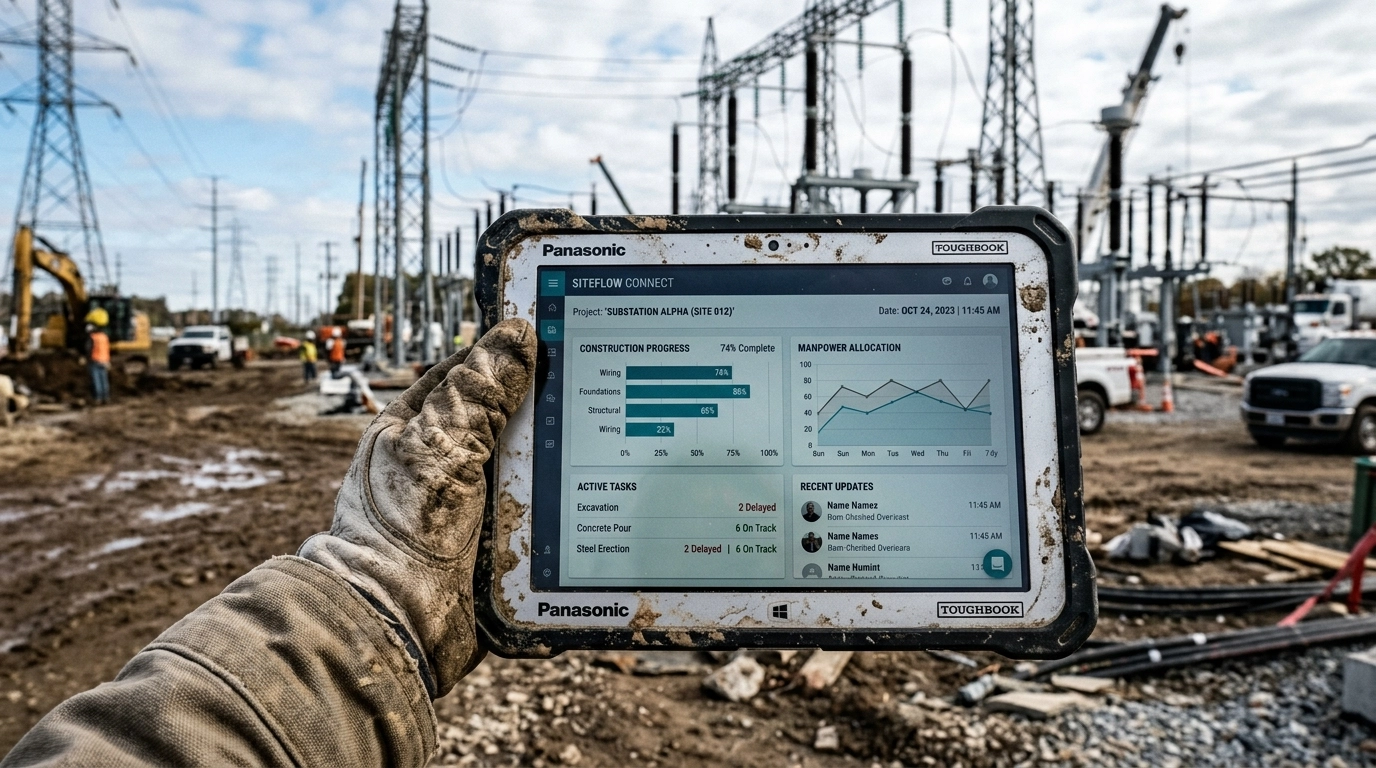
The true power of integrating Procore into data center development is seen at the program level. Most developers are not just building one facility. They are building a global network. When every project is using the same platform, you can begin to see patterns. You might notice that certain contractors are consistently more efficient or that specific design choices lead to fewer change orders.
This data is invaluable for future planning. It allows you to refine your cost estimates and your schedules based on actual performance rather than theoretical projections. I have helped organizations implement a PMIS evaluation framework at the program level to ensure they are capturing this high level data. When your technology stack is aligned with your business goals, the ROI becomes a measurable reality rather than a hopeful estimate.
The Cost of the Status Quo
It is easy to look at the cost of a Procore license and the effort required for implementation and decide to stick with the old way of doing things. But the status quo has a hidden cost that is far higher. I have seen multi-million dollar claims that could have been avoided if the project documentation had been centralized and searchable. I have seen projects miss their market window because of avoidable coordination errors.
In the world of data center development, time is quite literally money. Every day that a facility is not operational is a day of lost revenue. If a PMIS like Procore can save you even a week on a two year build, it has likely paid for itself several times over. The ROI is not just found in the software itself, but in the discipline and clarity it brings to the entire organization. It forces a standardization of process that is essential for scaling.
Implementation is Not Optional
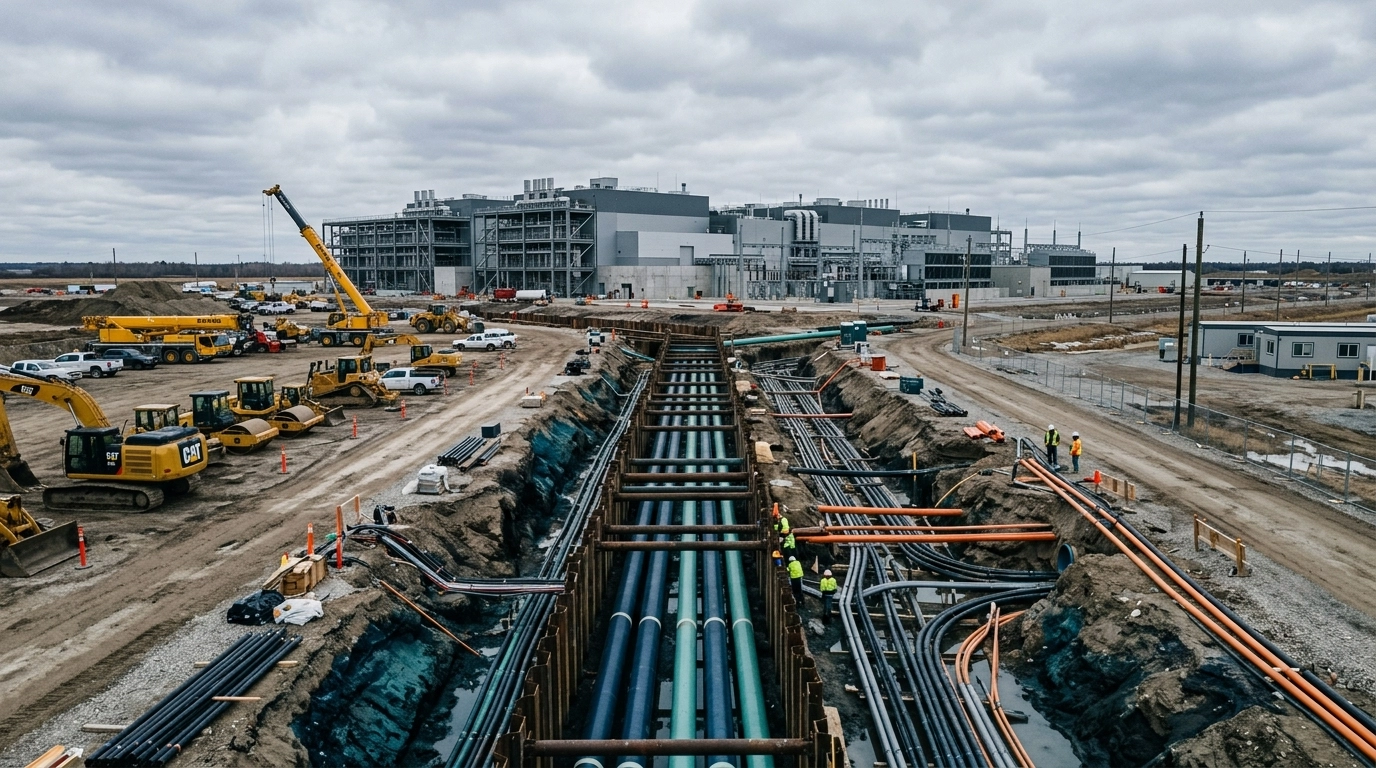
Setting up a Project Management Office and implementing a PMIS is a significant undertaking. It requires a commitment to changing how people work and how data is valued. I have learned that you cannot simply buy the software and expect it to work miracles. You have to build the processes and train the people to use it as their primary tool.
When I work with developers and see project teams using Procore consistently to update logs, manage documentation, and maintain current project records, I know that program has a much higher chance of success. They are not waiting until the end of the day to reconstruct what happened. They are creating a live operating record that leadership can actually use. That real time connection is one of the few reliable ways to manage the speed and complexity of data center development.
The industry is moving toward a future where data is the primary driver of construction efficiency. Those who continue to rely on fragmented systems will find themselves unable to compete on cost or schedule. The integration of Procore is a foundational step in ensuring that your capital program is built on a basis of truth and transparency. This is how infrastructure is delivered in the modern era. The result is a more resilient project, a more informed leadership team, and a significantly better return on investment.
Comments